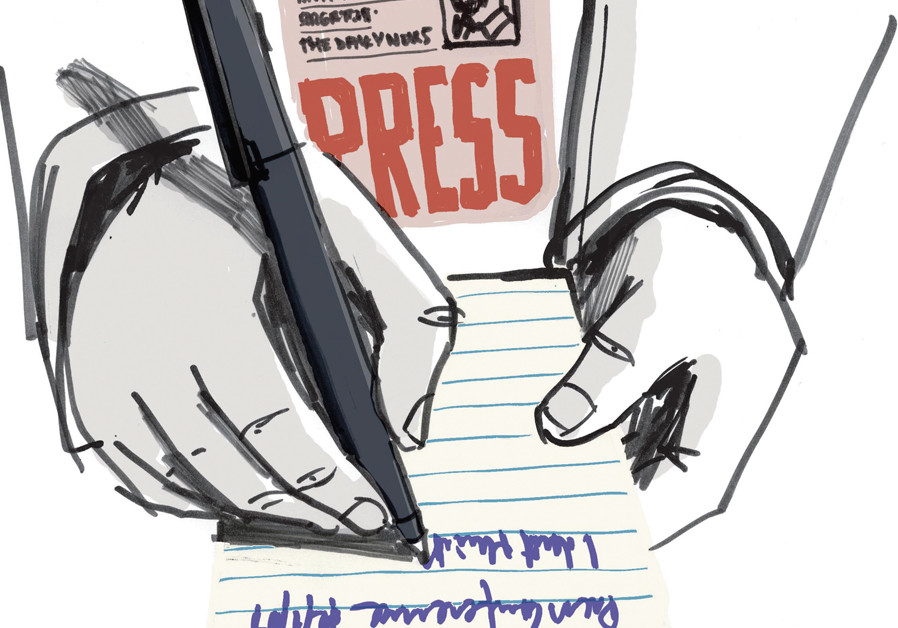
Interviewing victims suffering from trauma.
Yazidi Women: Who are they?
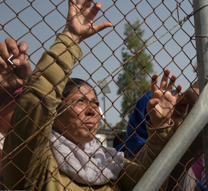
Yazidi Women are from a small Kurdish community in north-western Iraq. There town was mercilessly attacked by a terrorist group known as ISIS, who slaughtered thousands of civilians and abducted women and girls who were held against their own will, captive and sold as sex slaves. Some managed to escape this hell on earth, but others are still being held by their tormentors, in inhumane conditions.
Women held captive: The stark reality
According to current figures, more than 3,430 women and children from the Yazidi community are still being held captive by ISIS. Continuously sold and re-sold to different ISIS fighters. Raped, beaten and forced into servitude. For those few who are lucky enough to escape and return from captivity still remain extremely traumatised. A recent study by Bar ilan University, published in “World Psychiatry” showed an extremely high number of Yazidi women who suffered from complex post traumatic stress disorder (C-PTSD). C-PTSD is typically associated with prolonged trauma where one’s destiny is under another’s control and this is a reflection of their personal experience being held captive. Although ISIS no longer poses a threat to them, they still feel unsafe, and their current living conditions exacerbate their symptoms.
“They raped me everyday, twice or more. I was just a child. I can never forget it.”
At what expense is a good story?
When we read sensitive topics like this in the media they are often heartbreaking as we learn about the pain and suffering of these women. Although, these stories are based on facts they are often sensationalised which journalist tend to do to make a story sound better. Journalist reporting on traumatic and sensitive topics like this need to take extra steps to ensure that getting a story doesn’t come at the expense of the person sharing it. In cases like this, journalist sometimes forget that when interviewing people about traumatic and life changing experiences it takes immense courage and bravery for them to re-open their wounds in order for us to understand. Exploiting tragedies like these to sell stories stories is often extremely criticised in the media.
Headlines such as “sex slave” and derogatory terms were repeatedly used in articles which caught the attention of two sociologists who decided to speak directly to Yazidi women about their experiences with journalist to determine whether unethical reporting had taken place.
Their findings found that 85% of these women reported that journalists engaged in unethical behaviour when interviewing them in relation to their personal experience of fleeing ISIS captivity. This included pressuring the women to speak, making them reveal traumatic details of their rape and sexual abuse. Failing to protect their privacy by revealing the victim’s names or photographing their faces when publishing the articles. Some journalist even promised women money or aid in exchange for their stories during before and after the interviews.
These journalists were extremely insensitive towards the victims and used their ‘power’ and knowledge for personal gain.
“Every time a reporter asks a victim about her trauma, he or she reopens her wounds.”
Unethical behaviour
Each country has a professional code of conduct and they must commit themselves to abiding by these rules. They must follow acceptable behavioural standards such as reporting with accuracy, fairness and integrity. The society of professional journalism is a foundation for ethical reporting its nots a set of rules rather a guide that all journalists should follow and is the basis in which shapes different codes and ethics in each country. These include seeking the truth and reporting on it, minimising harm, acting independently and being accountable and transparent.
The Dart Center for journalism & trauma advocates ethical and thorough reporting and created a set of standards for journalist to follow when interviewing trauma survivors. These are similar to MEAA codes of ethics which are Australian guidelines and standards for print and digital media.



Rules of MEAA codes of ethics that were broken are listed below.
- Respect personal grief and personal privacy. Journalist have the right to resist compulsion to intrude. Most of these journalist pressured women to speak and failed to back off when the victims didn’t want to discuss any further. The rights to privacy, anonymity and confidentiality are of utmost importance when interviewing victims/ survivors on their experience.
- Never exploit a person’s vulnerability or ignorance of media practice: Most of these women are illiterate and had never engaged in the media before. Journalist must present and obtain crucial information before getting consent, such as does the women understand that her image and words will be seen around the world on the internet? Does she even know what the internet is?
- Report honestly: These journalists failed to protect the identities of women and girls who survived ISIS captivity. Journalists need to be especially cautious when publishing names, photos, or any other information that identify the survivor they spoke with, since doing so could expose them or their loved ones to stigma or even retaliation.
- Do not improperly use a journalistic position for personal gain: They used their power and knowledge to manipulate these women into talking which lead to writing stories based around what they wanted rather than having the women’s best interest.
Correct way to interview trauma survivors.
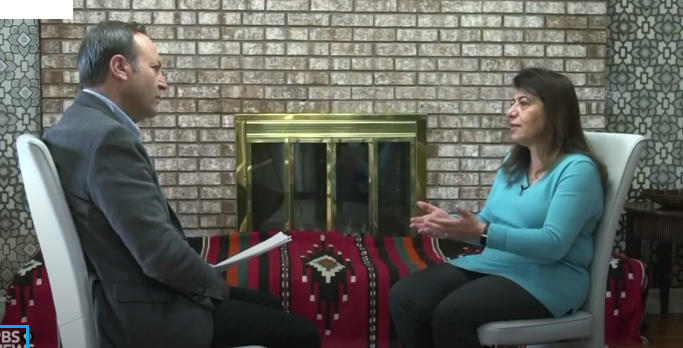
- Let the discussion be guided by what the victim/ saviour wishes to raise, rather than attempting to control the subject matter.
- Don’t- re traumatise the victim: Make sure the person feels comfortable, ask if they need anything or to take a break. The victim needs time to talk about others and for each other to adjust before talking up something as sensitive as rape.
- Respect survivor’s boundaries
- Approach with sensitivity and with respect
- LISTEN
Reference list
BBC News. (2016). “How I escaped Islamic State”, viewed 15 May, retrieved from < https://www.bbc.com/news/av/world-middle-east-35687900/yazidi-activist-my-escape-from-islamic-state >
“Escaping from ISIL, a Yazidi sexual violence survivor rebuilds her life”, Sexual violenc and conflict, 10 July, viewed 15 May, retrieved from < https://www.un.org/sexualviolenceinconflict/escaping-from-isil-a-yazidi-sexual-violence-survivor-rebuilds-her-life/ >
MEAA. (2009), “MEAA Journalist Code of Ethics” , viewed 15 May, retrieved from < https://www.meaa.org/meaa-media/code-of-ethics/ >
Oberlander, E. (2018), “Following ISIS captivity, Yazidi women suffereing from high percentage of C-PTSD”, 18 January, viewed 10 May, retrieved from < https://www.eurekalert.org/pub_releases/2018-01/bu-fic013118.php >
Ovcttac.gov, (2016), “Human trafficking task force e-Guide”, 23 June, viewed 15 May, retrieved from < https://www.ovcttac.gov/taskforceguide/eguide/5-building-strong-cases/53-victim-interview-preparation/trauma-informed-victim-interviewing/ >
Wolfe. L, (2017), “10 do’s and don’t’s on how to interview sexualised violence survivors”, Women’s Media Center, 16 May, viewed 20 May, retrieved from <http://www.womensmediacenter.com/women-under-siege/10-dos-and-donts-on-how-to-interview-sexualized-violence-survivors >
Yaghobzadeh, A. (2019). “Yazidi Women, Their bodies a battlefield” , viewed 15 May, retrieved from < https://www.visapourlimage.com/en/festival/exhibitions/le-corps-des-femmes-yezidies-comme-champ-de-bataille >
Spj.org, (2014), “SPJ-Code of ethics- Society of Professional Journalist, 6 September, viewed 20 May, retrieved from < https://www.spj.org/ethicscode.asp >

 Mil's Blog